
Accuracy, consistency, and dependable output define a reliable cutting partner. A detailed audit helps businesses inspect machine capability, material handling, quality standards, turnaround, pricing, and communication before placing regular orders. Reviewing these areas gives buyers a clear picture of service performance and production capacity.
Use this practical checklist to assess each provider of laser cutting in Dubai.
Inspect machine capabilities
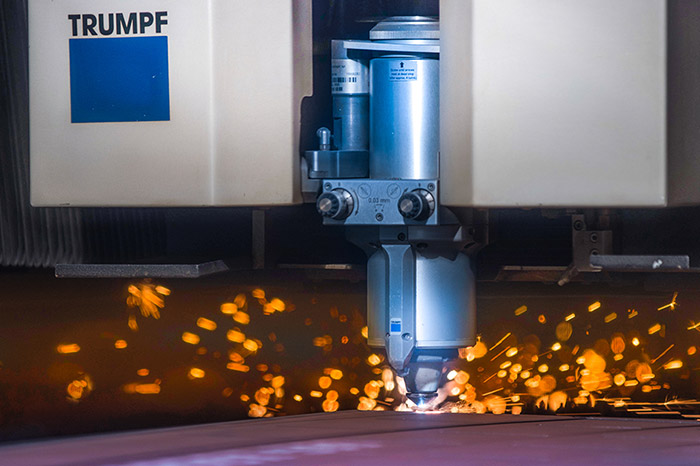
Start by reviewing the equipment available for your projects. Ask about laser power, cutting bed dimensions, material thickness limits, automation features, and machine maintenance routines. Modern equipment supports cleaner edges and tighter tolerances across different materials.
Check if the provider uses suitable machines for stainless steel, aluminum, mild steel, brass, or other metals relevant to your work. Equipment age also deserves attention because outdated systems may struggle with demanding production specifications.
Review cutting quality
Inspect sample parts before placing large orders. Examine edge smoothness, burr formation, dimensional accuracy, hole quality, corner definition, and overall finish. Compare samples against your technical drawings and stated tolerances. Ask the provider about inspection procedures and measurement equipment.
A capable team should show consistent results across repeated parts and different material batches. Clear quality records also help you identify recurring production issues before they affect your own manufacturing schedule.
Check production capacity
Review the provider’s daily and monthly production capacity against your expected order volume. Ask about available shifts, machine availability, workforce experience, and handling procedures for urgent jobs. Consistent capacity supports predictable delivery dates during busy production periods.
Also examine how the provider manages large orders, repeat batches, prototypes, and sudden volume increases. A transparent production system gives you useful insight into scheduling reliability and workload management.
Assess pricing structure
Request a detailed quotation that separates material costs, machine time, setup charges, finishing, packaging, and delivery. Compare pricing across providers using identical drawings and material specifications.
Extremely low prices may reflect differences in material grade, tolerances, inspection standards, or finishing quality. Ask about additional charges before approving an order. Transparent pricing makes cost comparisons easier and reduces surprises during invoicing.
Evaluate communication standards
Good communication keeps production information clear throughout an order. Check how quickly the provider responds to technical questions, drawing revisions, delivery updates, and quality concerns. Ask who handles your account and how the team communicates during production.
Reliable providers share realistic timelines and notify clients about issues promptly. Clear communication also helps prevent errors caused by outdated files, unclear specifications, or misunderstood instructions.