
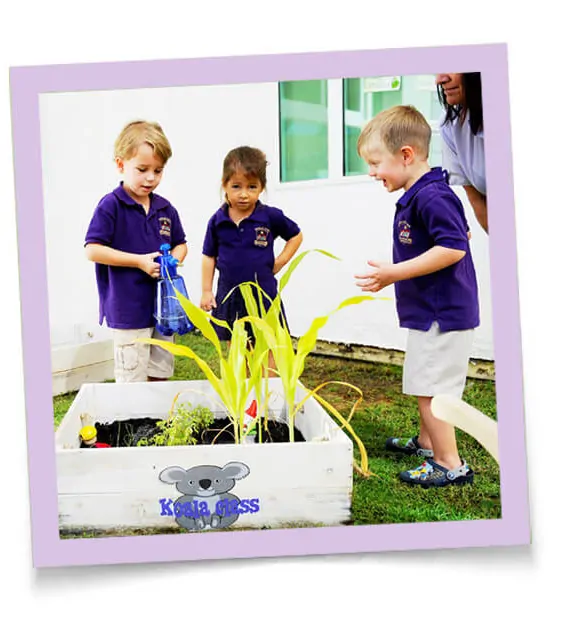
What does a child learn when they sit beside another child, share a toy, join a group game, or solve a small disagreement? These everyday interactions can shape important social skills long before children realize they are learning.
A strong nursery curriculum gives children plenty of opportunities to communicate, cooperate, build friendships, and become comfortable around others. Here’s why socialization deserves an important place in a British curriculum nursery in Dubai.
Building friendships through play
Play gives children a comfortable setting to meet peers and form friendships. Teachers introduce group games, role play, puzzles, art activities, and shared projects that encourage interaction. These activities teach children to share materials, take turns, listen to classmates, and respect personal space. Friendly classroom routines also help shy children join group activities at their own pace.
Learning communication skills
Socialization gives children regular chances to speak, listen, ask questions, and respond to others. Teachers model polite language and encourage children to explain their thoughts during circle time, storytelling, and classroom discussions. Children gradually learn how to greet friends, request help, express preferences, and solve small disagreements with words.
Developing emotional awareness
Nursery classrooms give children many opportunities to recognise and express emotions. Teachers use stories, puppets, songs, and role play to discuss feelings such as happiness, frustration, worry, and excitement. Children learn that different people may respond differently to the same situation.
Learning cooperation and respect
Group activities teach children how shared tasks work. A teacher may invite several children to build a model together, organise classroom materials, or complete a creative project. Each child gets a chance to contribute while listening to classmates. Such experiences introduce cooperation, respect, responsibility, and fairness in practical settings that children understand.
Supporting confidence and independence
Positive social experiences help children become comfortable in group settings. Teachers give children small responsibilities, such as handing out resources, choosing a story, or helping organise a play area. These tasks encourage children to speak up and participate. Praise for effort also supports confidence without placing pressure on children to perform perfectly.
How nursery curriculum supports social growth
A balanced nursery curriculum combines academic learning with meaningful social experiences. Teachers use structured activities, free play, group discussions, outdoor games, and creative tasks to support interaction throughout the day. Consistent routines give children clear expectations, while flexible activities allow them to practise social skills in different situations. This approach supports confident, respectful, and cooperative learners from an early age.