
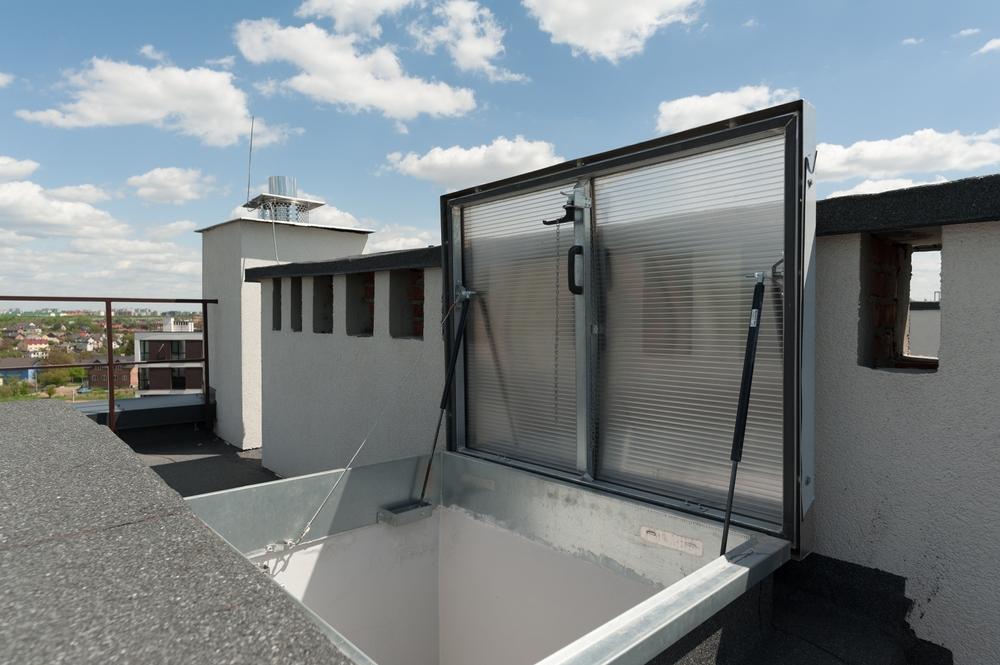
A rooftop may hide essential equipment, drainage systems, wiring, and ventilation units that demand regular checks. When access becomes difficult, routine jobs take longer and small faults may grow into expensive repairs. A well-positioned roof hatch gives maintenance teams a safer, clearer route to rooftop systems while helping building owners protect valuable equipment.
Easier access to rooftop equipment
Maintenance workers regularly inspect air conditioning units, exhaust fans, solar panels, and communication equipment. A conveniently placed hatch reduces unnecessary movement across the building and gives teams a direct route to key service areas. Workers spend less time arranging access and more time completing inspections. Building managers also gain a practical entry point when urgent repairs arise.
Better safety during maintenance
Roof access involves genuine hazards, especially when workers handle tools or inspect equipment near roof edges. A suitable hatch offers a stable entry point and supports safer movement between indoor and outdoor areas. Proper dimensions, secure locks, sturdy hinges, and suitable guardrails help reduce risks. Clear access also limits awkward climbing and unnecessary handling of heavy tools.
Faster response to equipment faults
A faulty ventilation unit or leaking rooftop pipe may require prompt attention. Difficult access delays inspections and gives minor faults time to develop. An accessible hatch helps maintenance staff reach the affected area sooner, inspect the problem, and arrange repairs. Faster response can reduce downtime, protect interior spaces, and prevent repair costs from rising.
Simpler routine inspections
Regular roof inspections help identify loose fittings, damaged seals, blocked drains, and signs of water entry. Convenient access encourages maintenance teams to follow inspection schedules instead of postponing routine checks. Workers can record observations, photograph damaged areas, and report concerns without wasting time on complicated entry arrangements. Consistent inspections support reliable building operations throughout the year.
Better protection of building assets
Rooftop equipment represents a significant investment. Poor access may discourage routine servicing, allowing dust, moisture, corrosion, or worn components to cause trouble. An accessible entry point helps technicians reach equipment and perform scheduled maintenance. Timely servicing supports longer equipment life and helps owners control replacement expenses. It also protects the roof assembly through regular checks of seals and drainage points.
Building owners should consider hatch size, opening direction, location, insulation, locking systems, and roof conditions before selecting a unit. The design should suit the equipment above and allow workers to move safely with necessary tools. A suitable installation, paired with regular inspections, keeps rooftop maintenance organised, efficient, and safer for building teams.