
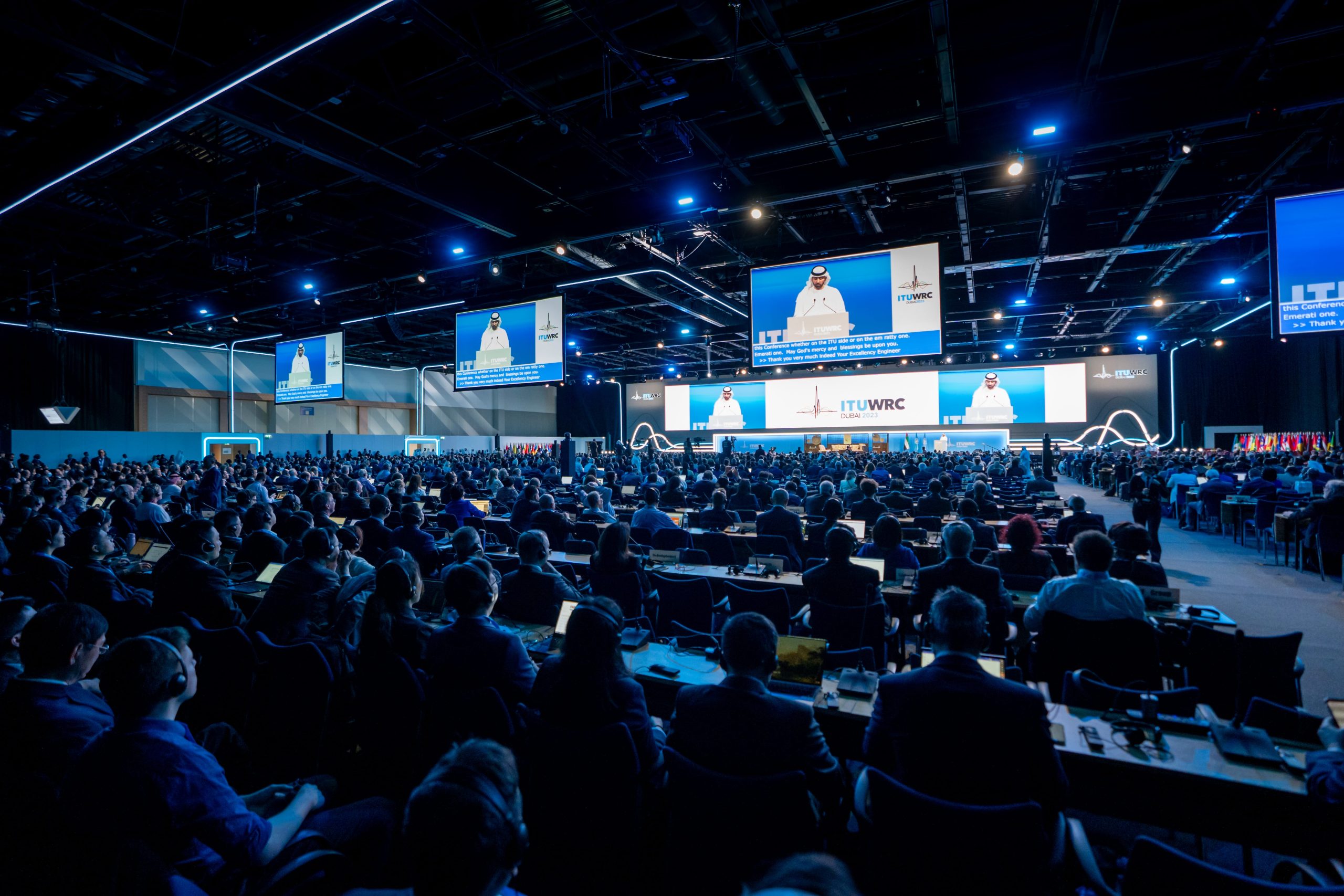
Digital interaction gives modern events energy, turning attendees into participants through points, challenges, prizes, and social tasks. Gamification keeps energy high while encouraging networking, exploration, and participation.
Leading teams use game mechanics to support event goals, collect feedback, and spark competition. This tactic helps the best event management companies in Dubai make gatherings memorable without making activities feel forced.
Building points and rewards
Points give attendees a reason to take part in activities throughout events. Teams may award scores for visiting booths, answering quizzes, joining workshops, completing surveys, or sharing social posts. A visible leaderboard adds competition and gives participants a target. Organizers also offer badges, vouchers, merchandise, or experiences as rewards. Small incentives motivate repeated participation.
Using interactive challenges
Challenges turn ordinary event tasks into playful experiences. Teams may design trivia rounds, scavenger hunts, photo missions, product quizzes, or timed team contests. Activities connect with the event theme and encourage exploration. Digital platforms can track progress and display results instantly. Clear rules, short challenges, and simple instructions help participants join easily.
Encouraging social participation
Social gamification helps attendees interact instead of staying in familiar groups. Organizers may launch networking bingo, team missions, hashtag contests, or peer voting activities. Participants exchange ideas while completing goals, opening conversations naturally. Event apps can display achievements and invite attendees to celebrate together. This approach supports networking while adding a playful touch to professional events.
Personalizing attendee experiences
Personalized game mechanics make activities relevant to different groups. Organizers can assign challenges according to attendee interests, professional roles, session choices, or past participation. New visitors may receive exploration tasks, while returning guests may receive advanced tasks. Personalized dashboards can show progress, rewards, and activities. Relevant content keeps participation comfortable and gives each guest a reason to stay involved.
Measuring game performance
Gamification also gives teams performance data. Organizers can track participation rates, completed challenges, session engagement, survey responses, and reward redemptions. This information reveals which activities attract attention and which receive limited participation. Teams can review results later and refine game mechanics. Data helps connect playful activities with business objectives.
Successful game design keeps entertainment connected to the event goals. Too many contests can distract attendees, while complicated rules may reduce participation. Leading event management companies keep mechanics simple, rewards relevant, and activities aligned with audience interests. When games support networking, learning, discovery, or feedback, attendees enjoy an engaging event while organizers gain useful results.