
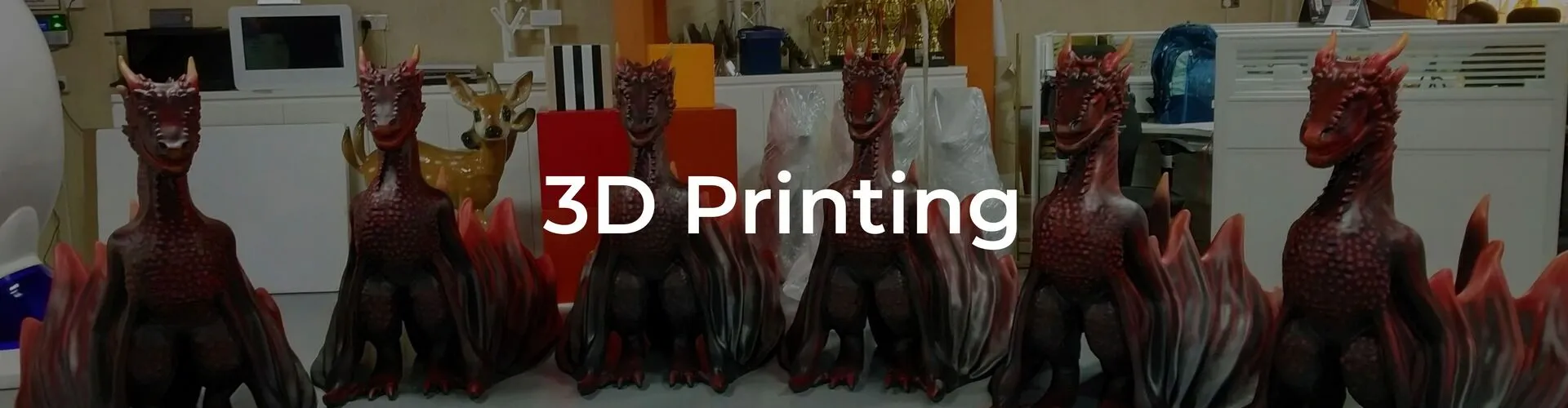
Manufacturing no longer has to follow a single path from raw material to finished part. Traditional methods remain essential for many applications, but 3D printing has introduced new possibilities for rapid prototyping, complex designs, custom parts, and low-volume production.
Cost, speed, material requirements, precision, production volume, and design complexity can all affect which method makes more sense. Comparing these factors reveals where 3D printing in Riyadh can offer practical advantages and where traditional manufacturing still holds the edge.
Understanding traditional manufacturing
Traditional manufacturing uses established techniques such as injection molding, casting, machining, and stamping to produce goods. These methods rely on specialized tools, molds, and machinery to shape raw materials into finished products.
Factories favor this approach for large production runs because machines produce identical parts quickly. However, manufacturers face substantial setup expenses, especially when they require custom molds or specialized equipment.
How 3D printing changes production
3D printing takes a different approach, building objects layer by layer from digital designs. Manufacturers use materials such as plastic, resin, and metal to produce everything from simple prototypes to complex industrial components. This technology eliminates many traditional tooling expenses and allows businesses to test new designs with fewer resources.
Engineers also produce intricate shapes that conventional machines struggle to manufacture. Small businesses benefit from this flexibility because they can produce customized items without investing in expensive production equipment.
Comparing production costs and speed
Production volume plays an important part in choosing between these methods. Traditional manufacturing usually offers lower per-unit costs when factories produce thousands of identical products. Its high production speed also makes it suitable for large orders.
In contrast, 3D printing offers financial advantages for small batches and custom products because manufacturers avoid expensive molds.
Product quality and design flexibility
Traditional manufacturing delivers consistent results through established production processes. Industries such as automotive, electronics, and construction rely on precise components and dependable production standards.
Meanwhile, 3D printing gives designers greater freedom to experiment with unusual shapes, lightweight structures, and customized features. Manufacturers can also modify digital designs without replacing expensive tools.
Which manufacturing method wins?
Neither method wins in every situation. Traditional manufacturing suits businesses producing large quantities of standardized products, while 3D printing supports customization, rapid prototyping, and smaller production runs. Some manufacturers combine both technologies to balance production costs, speed, and design flexibility. The right choice depends on product requirements, order volume, material selection, and available resources.