
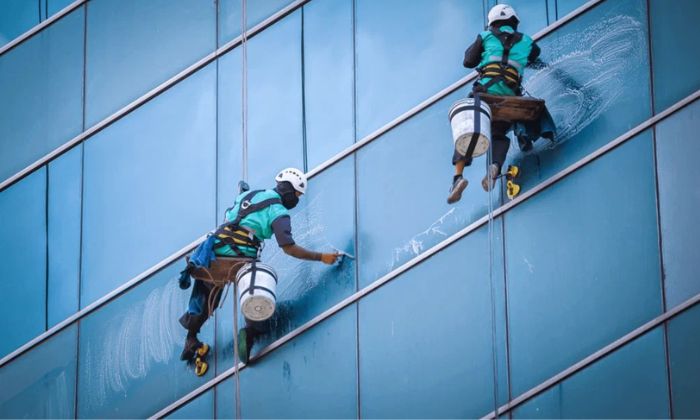
Working at height demands skill, discipline, and steady judgment. Rope access technicians train for demanding conditions where one small mistake can lead to serious consequences. Their preparation covers climbing techniques, rescue procedures, equipment checks, communication, and physical fitness. Through practical sessions and strict safety drills, workers build confidence before they take on professional rope access assignments at height.
Learning rope systems
Training starts with a clear understanding of ropes, harnesses, connectors, descenders, ascenders, anchors, and backup systems. Technicians learn how each item works and practice setting up systems under controlled conditions. Instructors teach correct attachment points, rope movement, positioning, and equipment handling. Repeated drills help workers develop precise habits, so every movement follows established safety procedures during demanding work.
Building climbing skills
Technicians spend substantial time practicing movement on vertical surfaces. They learn to ascend, descend, reposition, transfer between ropes, and work comfortably while suspended. Training also includes awkward positions that mimic real job conditions around towers, industrial structures, bridges, and large buildings. Physical conditioning supports these skills, helping workers maintain balance, grip strength, coordination, and endurance during extended tasks.
Practicing emergency rescues
Rescue training forms a major part of professional preparation. Technicians practice responding to equipment problems, injuries, falls, and other emergencies while suspended at height. Instructors introduce realistic scenarios that test decision making under pressure. Workers learn to reach an injured colleague, secure the person, manage rope systems, and bring them to a safe location using approved rescue techniques.
Mastering safety procedures
Good technicians follow strict procedures before, during, and after every assignment. Training teaches them to inspect ropes, harnesses, connectors, anchors, and other equipment before use. Workers also learn how environmental conditions affect their tasks. Wind, rain, heat, poor visibility, and surface conditions all influence work at height, so technicians learn to assess hazards and adjust their methods responsibly.
Developing communication skills
Clear communication supports every rope access operation. Technicians learn standard signals, radio communication, emergency commands, and teamwork procedures during practical exercises. They coordinate movements with ground teams and other workers while maintaining awareness of their surroundings. Training also teaches workers to report damaged equipment, changing hazards, and unusual conditions immediately, supporting safer decisions throughout each assignment.