
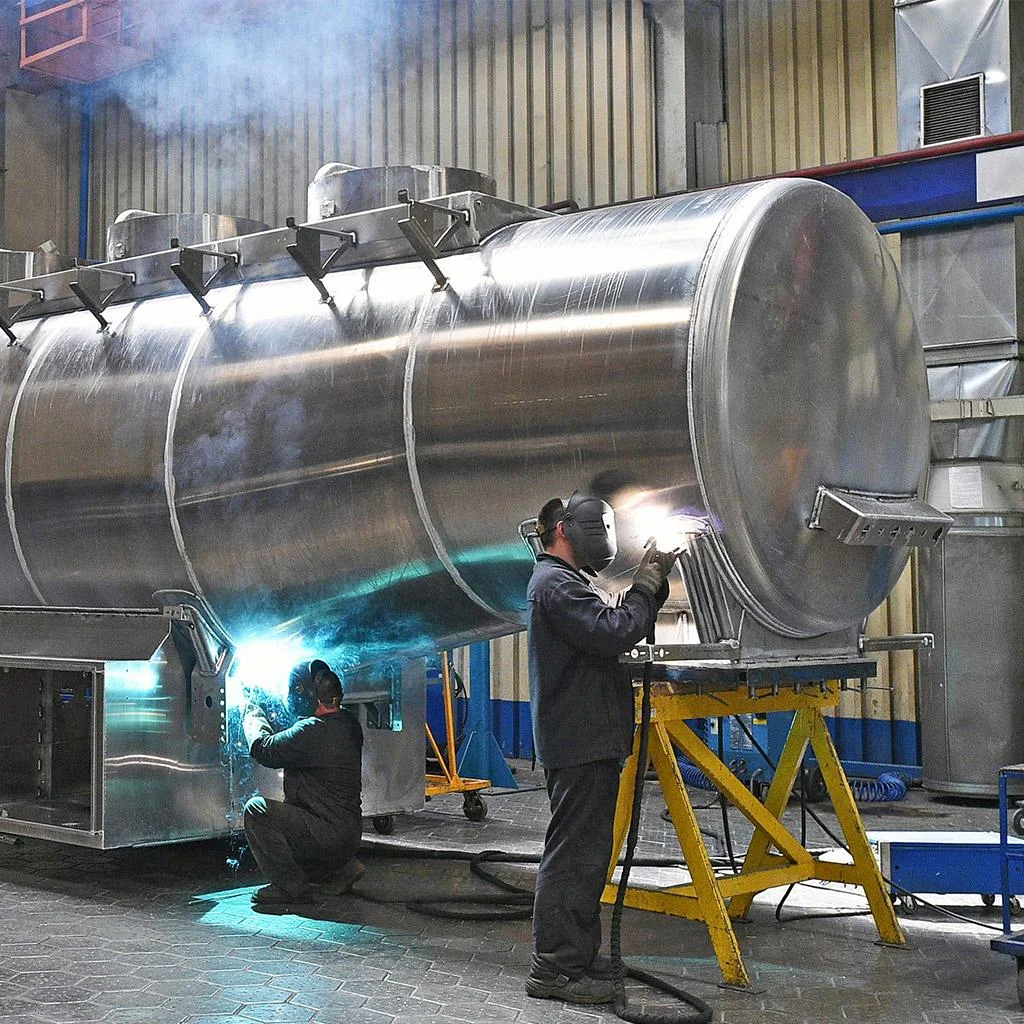
Water quality affects industrial processes, equipment condition, and operational reliability. Dust, sediment, corrosion, temperature changes, and microbial activity can gradually affect stored water when operators overlook routine maintenance.
A structured cleaning and inspection schedule keeps storage systems cleaner and supports dependable operation. Good maintenance practices also protect the internal surfaces of steel water tanks throughout their service life.
Inspect the tank regularly
Routine inspections help identify issues before they affect stored water. Operators check the tank interior, exterior, fittings, valves, seams, and access points for rust, cracks, sediment, leaks, or unusual deposits. They also inspect coatings and protective layers for signs of wear. A documented inspection schedule gives maintenance teams clear records and helps them respond quickly to developing problems.
Control sediment buildup
Sediment settles at the bottom of a tank and can reduce water quality over time. Dust, minerals, rust particles, and other debris may accumulate when operators leave the tank unchecked for extended periods. Scheduled draining and cleaning remove these deposits before they interfere with water quality. Teams should also inspect inlet points and filtration systems to reduce the amount of unwanted material entering the tank.
Manage corrosion effectively
Corrosion introduces metal particles into stored water and gradually weakens tank surfaces. Operators monitor areas around welds, joints, fittings, and water level changes because these sections may experience greater exposure. Suitable protective coatings help shield steel surfaces from moisture and chemical reactions. Teams should repair damaged coatings promptly and select materials that match the stored water and operating conditions.
Prevent microbial growth
Warm, stagnant, or contaminated water can support microbial growth inside storage tanks. Regular circulation, suitable water treatment, and scheduled cleaning help maintain hygienic conditions. Operators should also keep access covers securely closed and inspect vents for damage or contamination. Water testing provides useful information about microbial levels and helps maintenance teams take appropriate corrective action when results show a problem.
Maintain clean surroundings
Tank surroundings also influence internal water quality. Operators keep roofs, vents, overflow pipes, access covers, and drainage areas clean and secure. They remove standing water and accumulated debris around the tank to reduce contamination risks. A clean external environment supports better storage conditions and reduces the chance of dirt, insects, or other contaminants entering through openings.